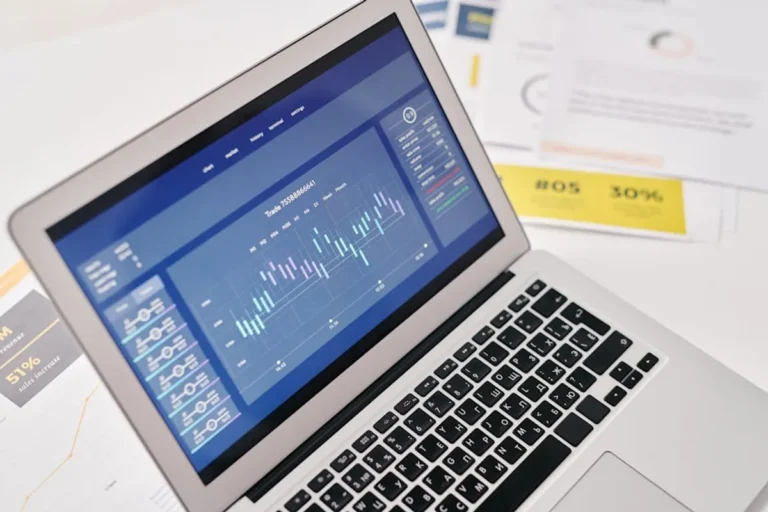
For small businesses, every marketing dollar and minute invested must yield tangible returns. SEO, while a long-term strategy, requires precise measurement to justify its ongoing commitment and demonstrate its contribution to growth. Without clearly defined Key Performance Indicators (KPIs), SEO efforts can become a resource drain, lacking direction and accountability. The challenge for small businesses isn't just knowing what to track, but understanding which metrics directly correlate with commercial objectives like lead generation, sales, and customer acquisition, rather than simply monitoring superficial traffic numbers.
This article identifies the essential SEO KPIs that directly inform business decisions for small enterprises. It moves beyond generic metrics, focusing on actionable data points that reveal not only visibility but also engagement, conversion, and ultimately, revenue generation. By prioritizing these specific indicators, small businesses can allocate resources effectively, refine their SEO strategies, and demonstrate a clear return on their investment.
Selecting the Right SEO KPIs for Your Small Business
Choosing the correct SEO KPIs is not a one-size-fits-all exercise. Small businesses must align their KPI selection with their overarching business goals, their current stage of growth, and the specific nature of their products or services. A local service provider, for instance, will prioritize local search rankings differently than an e-commerce store. Consider your primary objective: is it brand awareness, lead generation, direct sales, or customer retention? Your KPIs should directly reflect and measure progress towards these specific aims. Avoid vanity metrics that look impressive but don't translate into commercial value. Focus instead on metrics that provide actionable insights into user behavior, conversion pathways, and ultimately, your bottom line.
1. Organic Traffic Volume
Organic Traffic Volume quantifies the total number of visits to your website originating from unpaid search engine results. This KPI serves as a foundational indicator of your overall search visibility and reach. A consistent increase suggests improved rankings, broader keyword targeting, or successful content strategies resonating with search intent. For small businesses, it directly correlates with increased exposure to potential customers who are actively searching for products or services you offer.
Best for: Businesses prioritizing brand awareness, content marketing effectiveness, and overall market reach expansion.
Pros:
- Directly indicates search engine visibility.
- Easy to track and understand via standard analytics platforms.
- A primary driver for subsequent conversion metrics.
Cons:
- Does not inherently measure quality of traffic or conversion intent.
- Can be inflated by irrelevant keywords if not carefully managed.
- Fluctuations can be influenced by algorithm updates or seasonal trends, requiring contextual analysis.
Verdict: Essential as a top-of-funnel metric, but requires pairing with engagement and conversion KPIs to assess true commercial value. A rising trend indicates successful foundational SEO work, but its impact on revenue needs further data.
2. Organic Conversion Rate
Organic Conversion Rate measures the percentage of organic website visitors who complete a desired action, such as making a purchase, filling out a contact form, downloading a resource, or signing up for a newsletter. This KPI directly links SEO efforts to revenue generation and lead acquisition, providing a clear picture of how effectively your organic traffic translates into business outcomes. It moves beyond mere traffic volume to assess the commercial quality and intent of your search visitors.
Best for: E-commerce businesses, lead generation services, and any small business with clear, measurable on-site goals.
Pros:
- Directly quantifies the commercial impact of organic traffic.
- Highlights the effectiveness of landing pages and user experience for organic visitors.
- Provides clear ROI data for SEO investments.
Cons:
- Requires proper analytics setup (goal tracking) to be accurate.
- Can be influenced by factors outside of SEO, such as website design or offer attractiveness.
- Lower volume businesses may experience high volatility in this metric.
Verdict: This is a critical KPI for any small business aiming for growth, as it directly translates SEO visibility into tangible business results. A high conversion rate from organic traffic indicates that your content and targeting are attracting highly qualified prospects.
3. Keyword Rankings & Visibility
Keyword Rankings & Visibility tracks your website's position in search engine results pages (SERPs) for a predefined set of target keywords, alongside the overall percentage of search queries for which your site appears. This KPI directly reflects your competitive standing and discoverability for specific terms relevant to your business. For small businesses, monitoring specific keyword performance helps validate content strategies, identify new opportunities, and understand market share within key search phrases.
Best for: Businesses with specific product/service offerings, those targeting niche markets, and content-driven websites.
Pros:
- Directly indicates progress in competitive keyword landscapes.
- Helps identify content gaps and optimization opportunities.
- Provides clear, measurable targets for SEO campaigns.
Cons:
- Rankings can fluctuate frequently, making trend analysis more valuable than daily checks.
- Individual keyword rankings don't always correlate directly with traffic or conversions due to SERP features and user behavior.
- Requires dedicated tools for accurate and scalable tracking.
Verdict: While not a direct revenue metric, strong keyword rankings are a prerequisite for organic traffic. Small businesses should prioritize tracking a focused set of high-intent, commercially relevant keywords to ensure their visibility where it matters most.
4. Referring Domains (Backlinks)
Referring Domains measures the total number of unique websites that link back to your site. This KPI is a primary indicator of your website's authority, trustworthiness, and prominence within its industry, as backlinks act as "votes of confidence" from other sites. For small businesses, a growing and diverse profile of high-quality referring domains enhances search engine trust, which is crucial for improving organic rankings and driving referral traffic.
Best for: Businesses focused on long-term domain authority, competitive content marketing, and expanding online influence.
Pros:
- Strong correlation with improved search engine rankings and domain authority.
- Indicates industry relevance and content quality.
- Diversifies traffic sources beyond direct search.
Cons:
- Building high-quality backlinks is often time-consuming and resource-intensive.
- Quantity over quality can lead to negative SEO impacts (e.g., spammy links).
- Requires specialized tools to monitor effectively.
Verdict: A healthy and growing referring domain profile is fundamental for sustained SEO success. Small businesses should prioritize earning links from reputable, relevant sources to build lasting authority and improve their organic performance.
5. Local Search Rankings
Local Search Rankings track your business's visibility in local search results, including Google Maps, the local pack (3-pack), and geo-targeted organic listings. This KPI is critical for small businesses with physical locations or those serving specific geographic areas, as it directly impacts local foot traffic, phone calls, and online inquiries from nearby customers. It measures your ability to appear prominently when users search for local products or services.
Best for: Brick-and-mortar stores, service area businesses, restaurants, and any small business reliant on local clientele.
Pros:
- Directly drives local customer acquisition and in-store visits.
- Often less competitive than national organic rankings, offering quicker wins.
- Leverages specific local SEO tactics like Google Business Profile optimization.
Cons:
- Requires consistent management of local listings and reviews.
- Ranking factors differ from traditional organic SEO, demanding specialized focus.
- Geographic proximity heavily influences results, making broad tracking less useful.
Verdict: Indispensable for local small businesses. Dominating local search results translates directly into increased local leads and sales, making this a high-impact KPI for location-dependent enterprises.
6. Page Load Speed (Core Web Vitals)
Page Load Speed, specifically measured through Core Web Vitals (CWV) like Largest Contentful Paint (LCP), First Input Delay (FID), and Cumulative Layout Shift (CLS), quantifies the user experience related to a page's loading performance, interactivity, and visual stability. While not a direct ranking factor in isolation, poor CWV scores can negatively impact rankings and significantly increase bounce rates, affecting overall SEO performance. For small businesses, optimizing these metrics ensures visitors have a positive experience, encouraging longer sessions and higher conversion rates.
Best for: All small businesses, but especially e-commerce sites, content publishers, and those with complex web applications where user experience is paramount.
Pros:
- Directly impacts user experience, leading to lower bounce rates and higher engagement.
- Improved CWV can indirectly boost rankings and organic traffic.
- Provides actionable technical optimization targets.
Cons:
- Requires technical expertise to diagnose and implement fixes.
- Achieving "green" scores across all metrics can be challenging for complex sites.
- Optimization efforts may require developer resources or platform changes.
Verdict: A crucial technical SEO KPI. While not directly commercial, strong Core Web Vitals are foundational for retaining organic traffic and converting visitors. Neglecting them can undermine all other SEO efforts by frustrating users and signaling poor quality to search engines.
7. Crawl Errors & Index Coverage
Crawl Errors & Index Coverage tracks how search engines access, crawl, and index your website's pages. This KPI reveals issues that prevent search engines from fully understanding and listing your content, such as broken links, server errors, or pages blocked by robots.txt. For small businesses, ensuring proper index coverage means that all valuable content is discoverable, maximizing the potential for organic visibility and traffic. Unaddressed errors can severely limit your SEO potential.
Best for: All websites, particularly those with frequent content updates, large numbers of pages, or recent site migrations.
Pros:
- Directly impacts the discoverability of your website's content.
- Identifies critical technical issues that hinder SEO performance.
- Provides clear, actionable tasks for webmasters.
Cons:
- Requires regular monitoring and technical understanding.
- Fixing issues can sometimes involve developer intervention.
- Data is often found in specific search engine webmaster tools, requiring separate access.
Verdict: A non-negotiable technical KPI. If search engines can't crawl or index your pages, they can't rank them. Regular monitoring and resolution of crawl errors are fundamental for any small business serious about organic growth.
8. Click-Through Rate (CTR)
Click-Through Rate (CTR) measures the percentage of users who click on your website's listing in the search results after seeing it. This KPI indicates the effectiveness of your title tags and meta descriptions in attracting user attention and compelling them to click. For small businesses, a higher CTR means you're capturing more organic traffic from your existing rankings, even if those rankings aren't always position one. It reflects the relevance and appeal of your SERP snippet to user queries.
Best for: All small businesses, especially those in competitive niches where standing out in SERPs is crucial, and content publishers.
Pros:
- Directly impacts organic traffic volume from existing rankings.
- Highlights opportunities for optimizing title tags and meta descriptions.
- Can improve rankings indirectly by signaling relevance to search engines.
Cons:
- Can be influenced by SERP features (e.g., ads, knowledge panels) that reduce organic visibility.
- Benchmark CTR varies significantly by industry and ranking position.
- Requires A/B testing and iterative optimization for best results.
Verdict: A vital KPI for maximizing the value of your existing rankings. Improving CTR can provide a significant boost to organic traffic without necessarily needing to achieve higher positions, making it an efficient optimization target for small businesses.
9. Average Session Duration (Organic)
Average Session Duration (Organic) measures the average amount of time users spend on your website after arriving from organic search results. This KPI provides insight into user engagement and content relevance. A longer session duration generally indicates that users are finding value in your content, exploring multiple pages, or engaging deeply with your offerings. For small businesses, this suggests that your organic traffic is high-quality and that your website effectively holds user attention, contributing to brand building and deeper consideration.
Best for: Content-heavy websites, blogs, educational platforms, and businesses aiming to establish thought leadership or provide in-depth information.
Pros:
- Indicates high user engagement and content quality.
- Can indirectly influence search engine rankings by signaling positive user experience.
- Helps identify successful content formats and topics.
Cons:
- Not always a direct indicator of conversion; a user could spend a long time on a page but not convert.
- Can be skewed by single-page visits, even if the user read the entire page.
- Context is crucial; a short session on a "contact us" page might be good if they converted.
Verdict: A valuable engagement KPI for understanding content effectiveness. While not directly commercial, longer organic session durations often correlate with higher intent and greater brand affinity, making it an important indicator for businesses focused on content and user experience.
10. Bounce Rate (Organic)
Bounce Rate (Organic) measures the percentage of organic visitors who leave your website after viewing only one page. A high bounce rate from organic traffic often signals that users are not finding what they expected, the content is irrelevant, or the page experience is poor. For small businesses, minimizing bounce rate ensures that valuable organic traffic is retained and encouraged to explore further, increasing the likelihood of conversion and improving overall site engagement metrics.
Best for: All small businesses, particularly those with multi-page conversion funnels or extensive content libraries.
Pros:
- Highlights issues with content relevance, user experience, or landing page design.
- Improving it can lead to higher engagement and potentially better rankings.
- Easy to track and understand in analytics platforms.
Cons:
- Context-dependent; a high bounce rate isn't always negative (e.g., single-page resource sites).
- Can be influenced by external factors like SERP snippet accuracy.
- Requires deep diving into specific page data to identify root causes.
Verdict: A key indicator of user satisfaction and content alignment with search intent. For most small businesses, a persistently high organic bounce rate points to critical issues that need addressing to prevent wasted organic traffic and improve conversion potential.
11. Revenue/Lead Value from Organic
Revenue/Lead Value from Organic quantifies the actual monetary value generated directly from organic search traffic. For e-commerce, this means tracking sales revenue attributed to organic channels. For service businesses, it involves assigning a monetary value to leads generated (e.g., form submissions, phone calls, demo requests) and tracking their origin. This KPI is the ultimate measure of SEO's commercial impact, directly linking your search efforts to the financial health and growth of your small business.
Best for: E-commerce businesses, B2B service providers, and any small business with a clear sales funnel and lead tracking capabilities.
Pros:
- Directly demonstrates the financial ROI of SEO investments.
- Provides clear justification for continued SEO budget allocation.
- Enables precise calculation of SEO's contribution to overall business growth.
Cons:
- Requires robust analytics and CRM integration for accurate attribution.
- Can be complex for businesses with long sales cycles or offline conversions.
- Initial setup and value assignment can be challenging.
Verdict: The most important commercial KPI for small businesses focused on growth. If you can accurately track this, it provides an undeniable case for SEO's value and allows for strategic resource allocation based on tangible financial returns.
12. SERP Feature Visibility
SERP Feature Visibility tracks your website's appearance in various enhanced search results, such as featured snippets, local packs, knowledge panels, image carousels, and video results. This KPI measures your ability to capture prime real estate on the search results page beyond traditional organic links. For small businesses, appearing in these features can dramatically increase visibility, click-through rates, and brand authority, often outperforming standard organic rankings by providing direct answers or rich media to users.
Best for: Businesses aiming for maximum visibility in competitive niches, content creators, local businesses, and those leveraging structured data.
Pros:
- Significantly increases visibility and often CTR, even without a #1 organic ranking.
- Establishes brand authority and provides direct answers to user queries.
- Can be achieved through structured data implementation and targeted content optimization.
Cons:
- Competition for featured snippets and other features is high.
- Requires specific content formatting and technical SEO knowledge.
- Visibility can fluctuate frequently as search engines test different results.
Verdict: A powerful KPI for increasing organic exposure and capturing user attention. Small businesses should actively pursue SERP features relevant to their industry, as these can provide a significant competitive advantage and drive high-intent traffic.
Interpreting Your KPI Data for Actionable Growth
Tracking SEO KPIs is only the first step; the true value lies in interpreting the data to make informed business decisions. For small businesses, this means moving beyond raw numbers to understand trends, identify causal relationships, and prioritize actions. A sudden drop in organic traffic, for instance, might point to a technical issue (check crawl errors), a ranking decline for key terms (check keyword visibility), or a Google algorithm update. Conversely, an increase in organic conversion rate, even with stable traffic, suggests that your content or landing pages are resonating more effectively with your audience.
Regularly review your selected KPIs, ideally monthly, to spot patterns and measure the impact of recent SEO initiatives. Compare current performance against previous periods (month-over-month, year-over-year) and against your established goals. Don't look at KPIs in isolation; correlate them. For example, a rise in organic traffic is positive, but if bounce rate also increases significantly, it suggests you're attracting the wrong audience or your content isn't meeting expectations. Use this intelligence to refine your keyword strategy, optimize existing content, improve site speed, or address technical issues. The goal is to create a continuous feedback loop where data informs strategy, and strategy drives measurable growth.
Frequently Asked Questions
What is the most important SEO KPI for a small business?
For most small businesses, Organic Conversion Rate or Revenue/Lead Value from Organic are the most important KPIs. While organic traffic and rankings are foundational, these metrics directly measure the commercial impact of your SEO efforts, demonstrating how many visitors become customers or qualified leads.
How often should a small business track its SEO KPIs?
While daily checks for critical issues are possible, a small business should review its primary SEO KPIs at least monthly. Quarterly and annual reviews are also essential for identifying long-term trends, measuring the impact of major campaigns, and adjusting strategic goals. Daily fluctuations can be misleading; focus on trends over time.
Do I need expensive tools to track SEO KPIs?
No. Many fundamental SEO KPIs can be tracked using free tools like Google Analytics, Google Search Console, and Google Business Profile. While paid tools offer more advanced features and competitive insights, small businesses can effectively monitor core metrics and drive growth with free resources.
What if my KPIs aren't improving?
If your KPIs are stagnant or declining, it indicates a need to re-evaluate your SEO strategy. Start by checking for technical issues (crawl errors, site speed), then review your keyword targeting, content quality, backlink profile, and user experience. It's often a combination of factors, so a systematic audit is usually required.
Should I track all 12 of these KPIs?
Not necessarily. Small businesses should prioritize the KPIs that most directly align with their specific business goals and resources. Start with 3-5 core KPIs (e.